Study Abroad Destination
Vietnam
From vibrant city streets to serene rural landscapes, this country contains multitudes.
A Cultural Crossroads in Southeast Asia
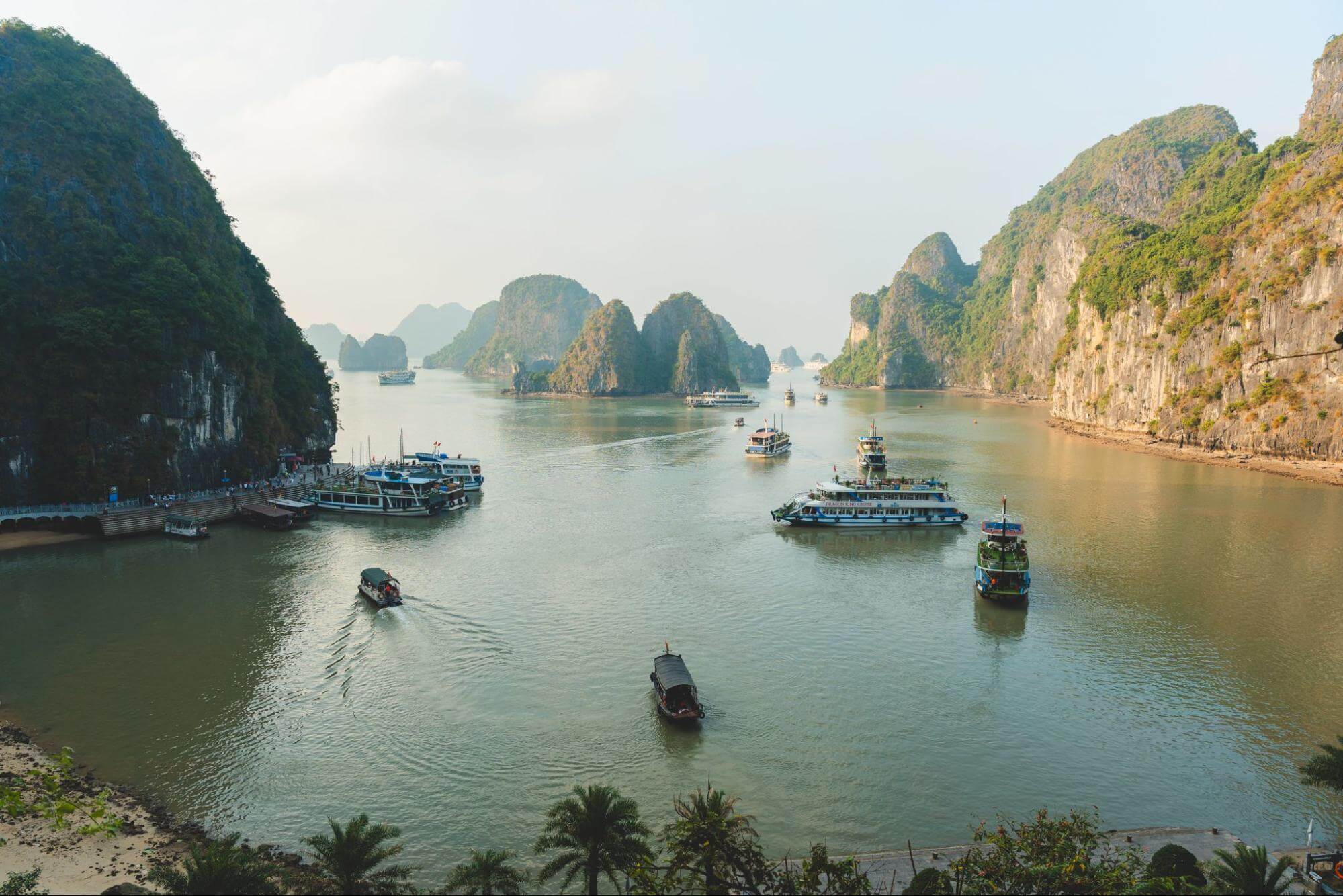
From drifting through the emerald waters of Hạ Long Bay to navigating the bustling streets of Ho Chi Minh City on a motorbike, Vietnam offers Semester at Sea voyagers an unforgettable blend of natural beauty, rich history, and unique culture. Vietnam invites you to explore ancient temples, savor world-renowned cuisine, and engage with a country that continues to balance deep-rooted traditions with rapid modernization.
Vietnam Overview

Capital
Hanoi

SAS Port of Call
Ho Chi Minh City

Language
Vietnamese, English

Religions
Buddhism, Christianity, Hoa Hao, Cao Dai, Islam, Folk religions

Government
Socialist republic; one-party system

Currency
Vietnamese dong (VND)

Population
101.5 million (2025)
Why Vietnam?

From the buzzing energy of its cities to the quiet rhythm of life along the Mekong Delta, Vietnam offers an incredible blend of culture, history, and natural beauty. Popular highlights include:
- Exploring the colorful streets and historic landmarks of Ho Chi Minh City
- Gaining new perspectives on the Vietnam War through site visits and local narratives
- Early-morning city walks to observe local routines and rituals
- Trekking adventures in Sapa and nature excursions in national parks
The in-country excursions offered by SAS staff and local guides help voyagers dive deeper into Vietnam’s stories and scenery — without the stress of planning the details.
Semester at Sea
Vietnam Experience
Ho Chi Minh City is the lively and ever-changing port of call for Semester at Sea in Vietnam. Once voyagers disembark, Field Program options range from navigating the narrow Cu Chi Tunnels to exploring striking temples, bustling markets, and rooftop city views. Programs also include:
- Cultural immersion in the Mekong Delta, including boat rides, local meals, and village visits
- Guided historical tours focused on the Vietnam War, with access to hidden wartime locations
- Cruising past limestone cliffs in Hạ Long Bay or biking through lush Mekong Delta villages
- Interactive Vietnamese cooking classes, starting at the market and ending with a shared meal
- A cross-border excursion into Cambodia
Though the time in port is limited — typically about five days — voyagers often describe Vietnam as one of the most eye-opening and enriching experiences of the voyage. From the warmth of its people to the complexity of its past and the flavors of its cuisine, Vietnam leaves an unforgettable mark.

Vietnam
Voyager Travel Tips
Travel Tips for Ho Chi Minh City Port of Call
Every destination and port of call is unique, and each carries its own set of circumstances and expectations for travelers. Our top priority is the health and safety of our voyagers — we want all program participants to be as informed as possible so they can enjoy each port experience to the fullest.
Please be advised that the tips below provide a general overview of travel considerations and are not intended to dissuade voyagers from experiencing this unforgettable destination.

Local Transportation
Transportation options in Ho Chi Minh City include taxis, rideshare services like Grab (similar to Uber), cyclos (bike taxis), and public buses. Do not use motorbike taxis, including Grab Motor — they are poorly maintained, often lack proper mufflers, and can lead to serious burns or accidents. Renting or driving motor vehicles, including scooters and e-bikes, is prohibited for voyagers. For personal travel beyond the city, domestic flights and trains are available to destinations like Hanoi or Da Nang.

Required Documents
You’ll need your Ship ID for port re-entry and a Vietnamese Landing Card to go ashore; you must carry both at all times. If you lose your Landing Card, replacements are difficult to obtain, especially at night. Bring your passport if you plan to fly domestically, check into hotels, or exchange money. Your passport is also required to clear Immigration on Departure Day.

Climate and Weather
Vietnam’s climate varies by region, but Ho Chi Minh City has a tropical climate with two main seasons: dry (December–April) and rainy (May–November). Expect hot and humid conditions, with average temperatures ranging from 77–95 °F (25–35 °C). Sudden afternoon showers are common in the rainy season.
Currency and Tipping
The official currency is the Vietnamese dong (VND). U.S. dollars may be accepted in tourist-heavy areas, but use dong for the best exchange rates. ATMs are widely available in urban areas, and most major credit cards (Visa, MasterCard) are accepted at hotels and some restaurants. Tipping is not traditionally expected in Vietnam but is increasingly appreciated. A tip of 5–10% in restaurants and a small gratuity for tour guides or drivers is encouraged.

Safety and Security
Petty theft, especially bag snatching by motorbike riders, is very common. Always carry bags on the opposite side from the street and stay well back from curbs to reduce the risk. Avoid carrying loose or low-hanging bags, and be cautious when using phones and cameras in public. Traffic is heavy, unpredictable, and drivers do not yield to pedestrians, even in crosswalks. When crossing the street, always look both ways and proceed with extreme caution. Avoid walking alone late at night and steer clear of political demonstrations. Respect local customs and religious sites. Voyagers should always travel with a buddy or group.

Health and Medical
Tap water is not safe to drink in Vietnam — stick to bottled or filtered water, even when brushing your teeth. Food from street vendors can be delicious, but choose stalls with high turnover and visible food safety practices. Mosquito-borne illnesses such as dengue fever are present, so wear protective clothing and insect repellent containing DEET. Not all hospitals meet international care standards, but SAS maintains a list of preferred local hospitals in case of medical emergencies.
Communication
The best way to contact SAS voyage staff is via phone or text. Vietnam’s country code is +84. SIM cards and portable Wi-Fi devices are available for purchase locally if needed. Wi-Fi is common in hotels and many cafes.

Emergency Services
All voyagers receive contact information for local police, fire, ambulance, medical services, and the U.S. Embassy and Consulate in Vietnam. Be sure to carry this information with you during in-country travel.