From ‘Ship Kid’ to Voyage Faculty: A Joyful Full Circle Story: Emily Affolter’s Semester at Sea Story
For nearly all Semester at Sea alumni, the program makes an impact that will last a lifetime. For those lucky enough to sail more than once, that influence only deepens. And for the few who have the chance to return at different stages of their lives, Semester at Sea often becomes completely life-shaping – an experience that illuminates pathways and prompts transformation.
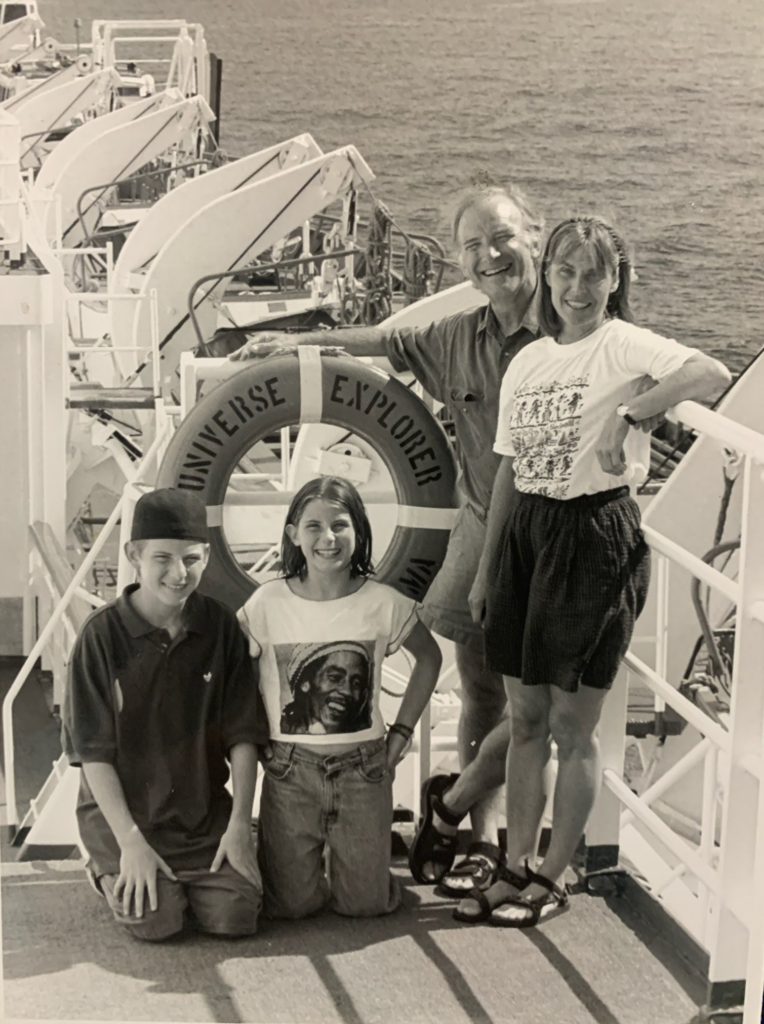
Take Dr. Emily Affolter, Semester at Sea’s Fall 2025 Chapman Impact Faculty Scholar, for example. As a three-time voyager – once as a ship kid, once as staff, and once as faculty – the SAS program has served as a consistent defining experience at many stages of her life, helping to shape her identity, her career, and her family’s generational shared story.
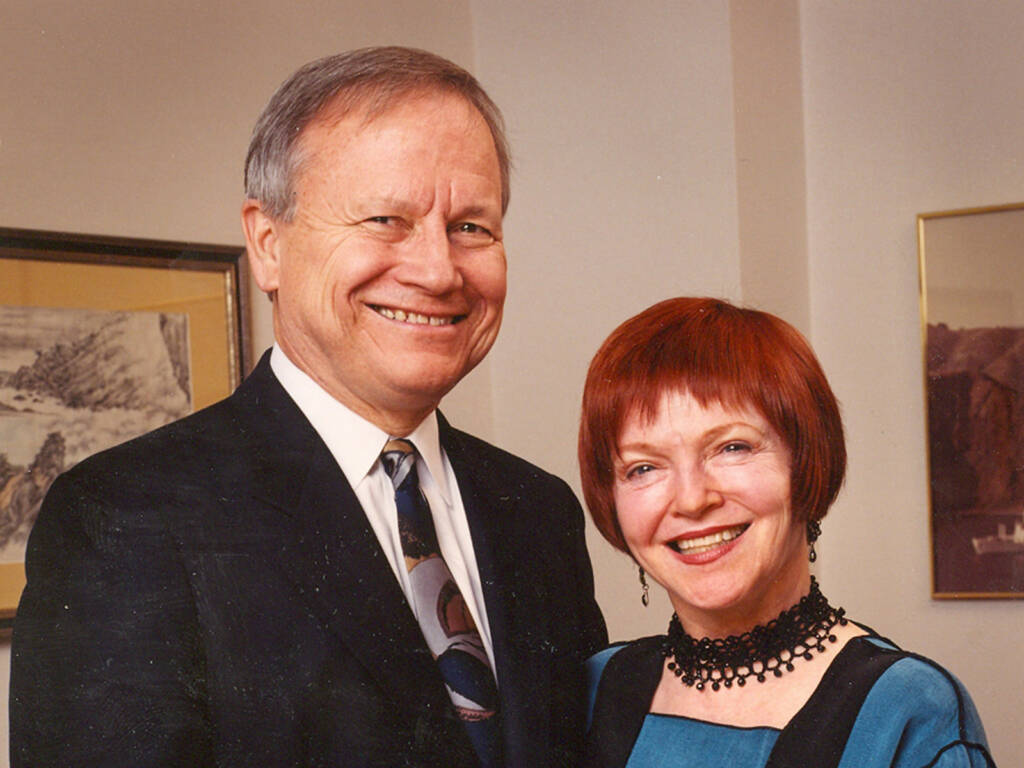
Emily’s connection to the program began in Spring 1996, when she boarded the ship at age 11 with her younger brother and parents. On that voyage, her father, Bill Affolter, served as the ship’s doctor, and her mother, Suzie Tedesko, as the family caregiver.
That voyage circumnavigated the globe, immersing Emily in a living-learning community unlike anything she had known before, despite previous travels with her family. “My first voyage opened things up for me in significant ways, and I began to imagine a future for myself that was much more global in scope,” she said.
Though Emily’s family had traveled globally before, Semester at Sea offered something unique: a deeper, place-based way of learning that connected people, cultures, and ideas. Visiting ports such as Brazil, which Emily experienced during Carnival, sparked an early sense of curiosity and belonging that would go on to guide her academic and professional path in multicultural education.
Years later, while completing her PhD in multicultural education, Emily returned to Semester at Sea as a Resident Director during a summer voyage in 2014. Supporting students through moments of challenge, growth, and discovery felt deeply meaningful to Emily. “Being an RD was like being the ‘auntie’ to 90 students, and it was just the most joyful job ever,” she said.
Her second voyage with SAS also reaffirmed Emily’s belief in education rooted in relationships and care, and these ideals would continue to define her teaching career. Eventually, Emily stepped into her current role at Prescott College, where she now serves as the Associate Dean of Doctoral Programs and faculty for the Sustainability Education Ph.D. Program. In this role, she works with doctoral scholars on issues centered on social and environmental justice action through teaching, leading, and learning.
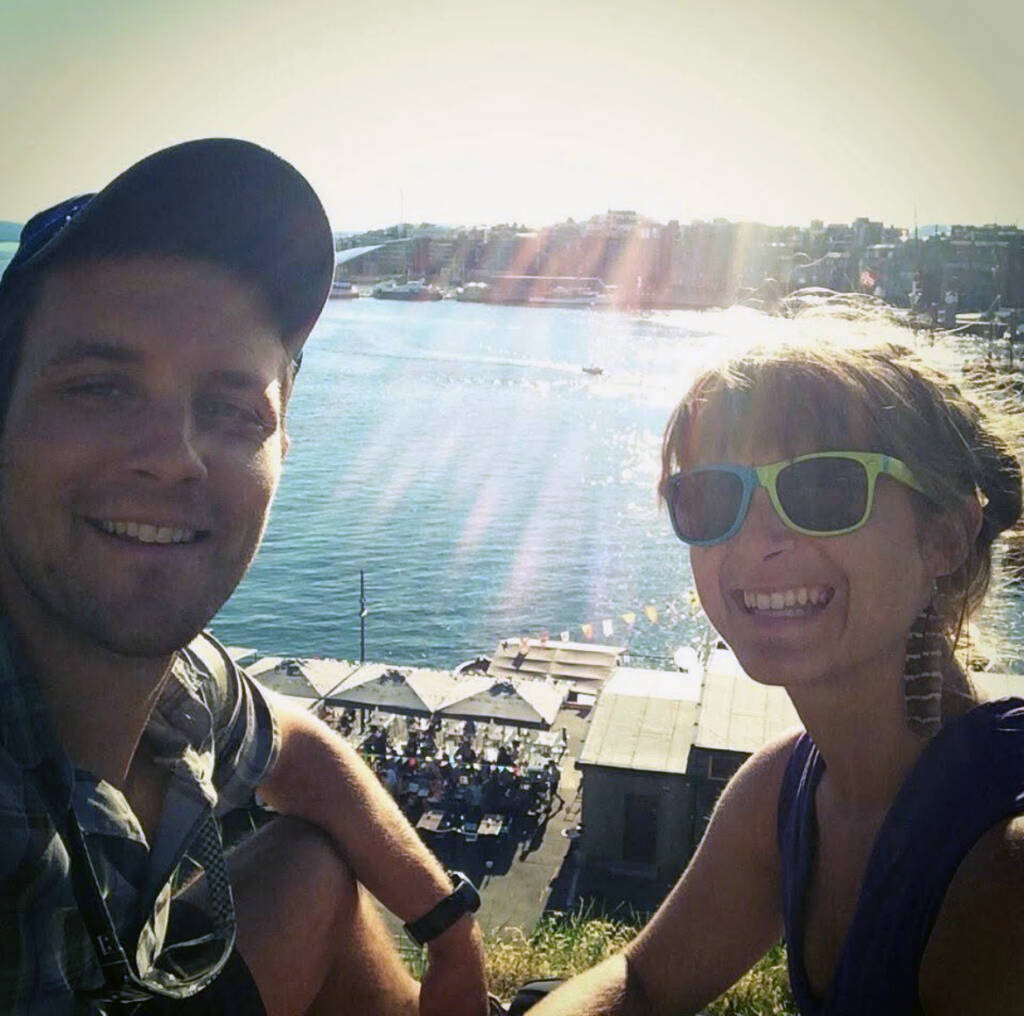
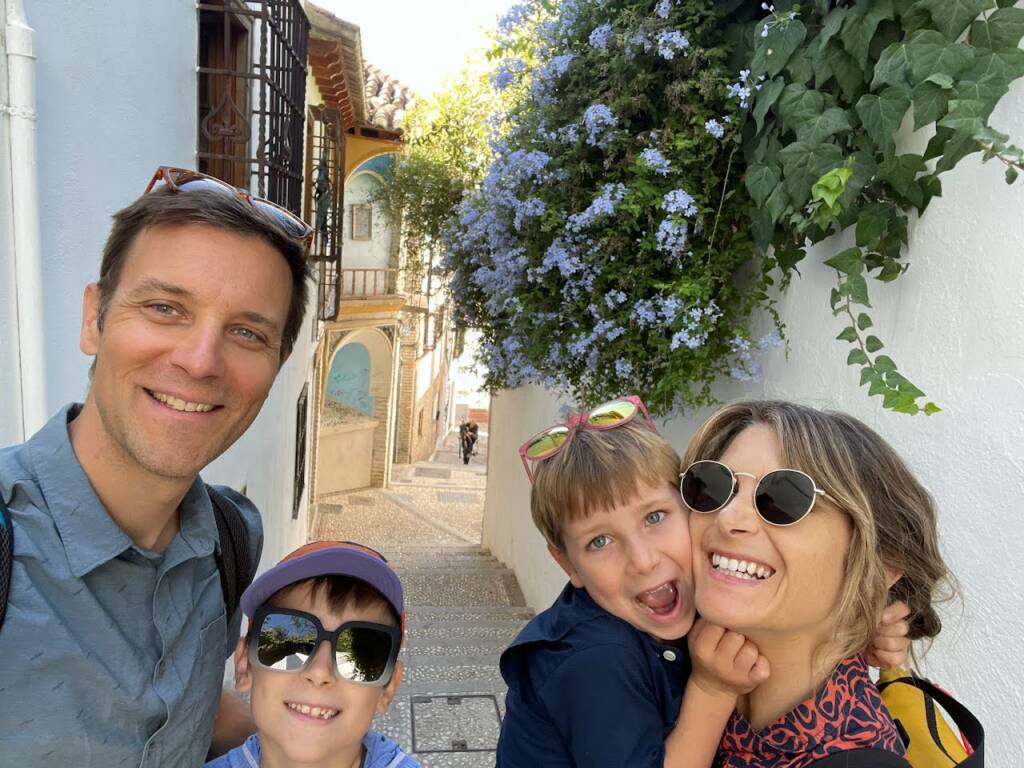
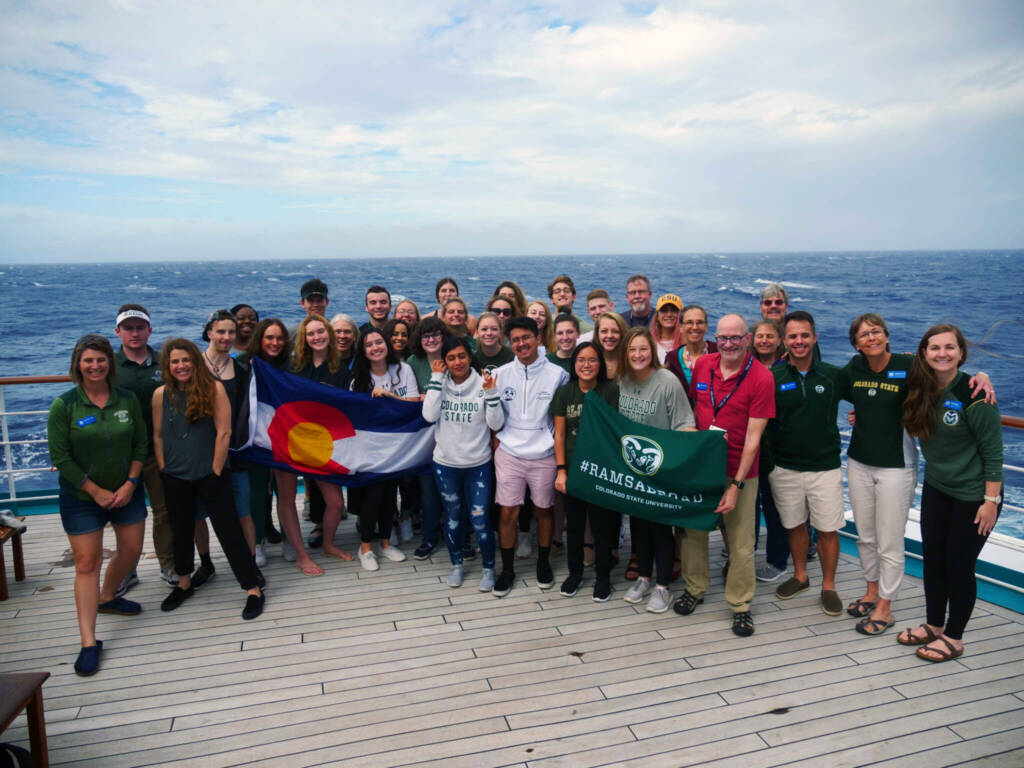
It was Emily’s Fall 2025 Voyage – setting sail for the third time – that she would see the program come around full circle in her life, when she joined the voyage as the Chapman Impact Program Faculty Scholar. For this voyage, Emily sailed alongside her husband, Nate, and their two young children, Skyler and Boden. And a sense of generational familial impact deepened when Emily’s parents joined for part of the voyage, meeting the ship in Vietnam and traveling through several ports together.
For Emily, it was a life-defining moment to see her parents spend time with her children on the very same program she was able to experience with her parents decades earlier. “To see my parents just getting to do all these incredible things with my kids that they were able to do with us (my brother and me); I just loved that,” she said.
Teaching as the Chapman Impact Faculty Scholar also allowed Emily to merge the core areas of her professional life’s work: social and environmental justice, experiential education, and global engagement. The Chapman Impact Program, a core SAS initiative, allows students to engage with communities around the world and explore the positive effects of local changemakers, while examining the systems that shape inequalities, sustainability, and social change. This proved a perfect fit for Emily’s expertise.
Throughout the voyage, Emily and her students explored what justice looks like in practice. In Ghana, the cohort worked alongside Global Mamas, a women-led fair-trade organization whose work amplifies social and environmental impacts. Firsthand, students saw how invasive water hyacinth is harvested from local waterways and then transformed into paper products, turning an environmental challenge into a sustainable resource. They also learned how Global Mamas uplifts women’s economic independence through fair wages, childcare initiatives, and leadership-building.
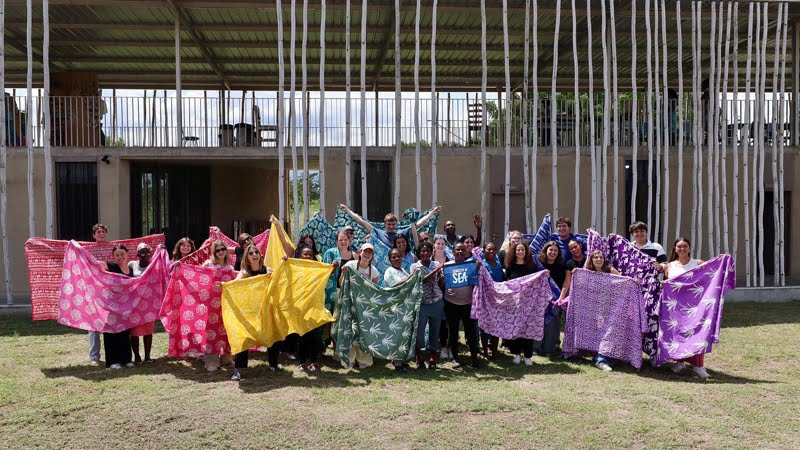
As a group, the Chapman Impact cohort created alongside artisans, learning techniques, sharing stories, and building relationships. “We weren’t extracting,” Emily said. “We were co-creating, and that changes how students understand sustainability, reciprocity, and justice.”
While in South Africa, the Chapman cohort traveled alongside Nyani Tutu-Burris, granddaughter of the late Archbishop Desmond Tutu. Nyani’s deep relationships and local knowledge opened doors, as the students moved beyond Cape Town’s surface-level locales into surrounding townships, where they witnessed firsthand the enduring realities of apartheid. They spent time with artists whose murals serve as acts of resistance and community storytelling, visited maternal and child health organizations led by mentor-mothers, and engaged with people whose lived experiences brought systems of inequality into focus.
In the classroom, Emily guided students in connecting these experiences to broader frameworks, such as systems thinking, anti-oppressive pedagogy, and theories of social change. Being able to connect professional expertise with Semester at Sea – a program that had helped define her early professional choices – was a gratifying experience for Emily. “Being faculty, getting to work with the Chapman Scholars, was fulfilling and profoundly impactful – it was just such a pinnacle career experience for me,” she said.
“Being faculty, getting to work with the Chapman Scholars, was fulfilling and profoundly impactful – it was just such a pinnacle career experience for me.”
Emily Affolter, Fall 2025 Chapman Impact Faculty Scholar
Across nearly three decades and in three different roles – as a ship kid, a Resident Director, and now as a faculty member – Emily has seen Semester at Sea evolve while also remaining rooted in one of its core objectives: providing voyagers with an immersive, globally engaged education that changes how people see the world and their place within it. For Emily, Semester at Sea is much more than a study-abroad program: it’s a shared legacy that continues to unfold, generation by generation, providing a defining, “full circle” personal and professional story – one that will always be remembered with a sense of gratitude and joy.